An underripe avocado is a small kitchen heartbreak. You slice it open at lunchtime and find pale, rubbery flesh that refuses to cooperate. The good news is that you do not need to wait days or resort to the oven. A brown paper bag and a ripe banana can nudge an avocado towards soft, creamy ripeness in a surprisingly short time — usually a day or two, sometimes less. Here is how to do it properly, and how to check progress without leaving thumb-shaped bruises.
Why a Paper Bag and a Banana Works
Avocados and bananas both release ethylene gas, a natural plant hormone that triggers ripening. A banana produces a lot of it, especially as it turns from green to yellow and develops brown speckles. A paper bag traps that gas around the avocado, raising the concentration and speeding up the process.
Paper also lets a little air and moisture move through, so the fruit does not turn sweaty and mouldy the way it can in a sealed plastic bag. Warmth helps too: ethylene works faster at room temperature than in the fridge. The trick is not to overdo any of it. You want faster ripening, not a bruised, fermented avocado.
Paper traps ethylene; plastic traps moisture. That difference matters more than most people realise.
What You Will Need
- A firm, unripe avocado, or several at the same stage of firmness
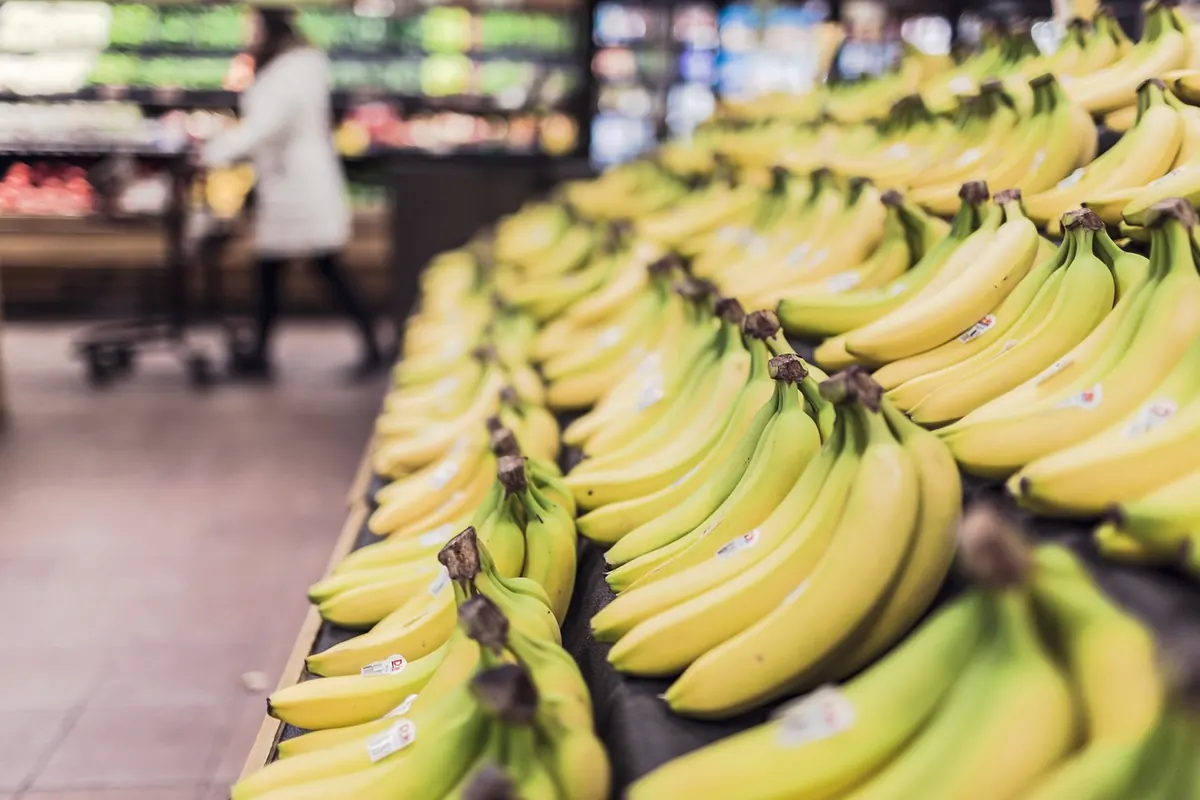
- One ripe banana — yellow with a few brown speckles is ideal
- A brown paper bag large enough to hold everything in a single layer
- A kitchen counter or shelf at room temperature, away from direct sun and radiators
- Optional: a second ripe banana or a ripe apple if you are ripening several avocados at once
Step-by-Step: The Paper Bag and Banana Method
- Check the avocado first. Choose one that is firm all over but without soft spots, cracks or mould. If it is rock hard, it will still ripen, just more slowly. If it already yields slightly near the stem, skip the bag and check it often instead.
- Choose a ripe banana. A green banana will not help much. You want one that is fully yellow with a few brown spots. An overripe, blackened banana releases plenty of ethylene, but it can also mould quickly, so keep an eye on it.
- Place both in the paper bag. Put the avocado and banana side by side in a single layer. Do not pile them on top of each other. If you are ripening several avocados, leave a little space between them and add another ripe banana if you have one.
- Fold the top loosely. Roll or crimp the opening so the bag stays partly closed. It should not be airtight. You want to concentrate the ethylene while still allowing a small amount of air exchange.
- Put the bag in a warm spot. A kitchen counter at around 18–22°C is ideal. Avoid direct sunlight, radiators and the top of the fridge if it gets hot. Uneven heat can cause soft patches and spoilage.
- Check every 12 hours. Gently cradle the avocado in your palm and press lightly near the stem end. Do not squeeze the middle. If it gives slightly, it is ready or close to ready. Remove it from the bag.
- Replace the banana if needed. Bananas often ripen faster than avocados. If yours becomes very soft or starts to smell fermented, take it out and add a fresh ripe banana. If you see mould, discard the banana and start with a clean bag.
- Refrigerate once ripe. If you are not using the avocado straight away, move it to the fridge. Cold slows ripening but does not stop it completely. Bring it back to room temperature before eating for better flavour and texture.
How to Check Ripeness Without Bruising
Bruising happens when you squeeze the middle of an avocado. That pressure damages the flesh under the skin, and the damage often shows up later as brown or stringy patches. The best test is the palm test: cradle the avocado in your hand and press gently near the stem end with your thumb. A ripe avocado gives slightly, like a ripe peach. A firm avocado feels solid.
If the stem cap is loose, you can gently lift it and look underneath. A greenish colour usually means it needs more time. A darker, brownish colour can suggest it is ripe or slightly past its best. This is only a rough guide, so trust the feel more than the colour.
Quick ripeness guide
- Rock hard: leave it in the bag and check again in 12 hours.
- Firm with a slight give at the stem: close to ready. Check morning and evening.
- Gives gently all over: ripe. Use now or refrigerate.
- Very soft or hollow-feeling: overripe. Check for brown streaks and use it for guacamole or discard if it smells off.
Common Mistakes That Slow Ripening or Cause Bruising
- Using a plastic bag. Plastic traps moisture as well as ethylene, which can lead to mould and a slimy texture. Paper is a better choice.
- Chilling too early. An unripe avocado in the fridge may ripen unevenly or develop chill damage. Wait until it is ripe, then refrigerate.
- Putting the bag in direct sun or on a radiator. Too much heat can cook the fruit or create soft spots before the rest is ready.
- Piling avocados on top of each other. Weight causes bruises. Keep them in a single layer.
- Checking by squeezing the middle. Use the palm test near the stem instead. Patience is part of the method.
- Leaving a mouldy banana in the bag. One furry banana can spoil the whole batch. Replace it and clean or change the bag.
What to Do at Different Stages
If your avocado is rock hard
Use the paper bag and banana method and expect it to take two to four days, depending on the variety, starting firmness and room temperature. Check every 12 hours once you reach the second day.
If it is almost ripe
Skip the banana, or use the bag without it and check every few hours. A nearly ripe avocado can go from firm to overripe in less than a day in a warm kitchen. Once it gives gently, move it to the fridge.
If you need it today
There is no safe instant trick that gives good texture. A warm spot and a ripe banana can speed things slightly, but do not microwave or bake an avocado. If you must use it now, slice it thinly for salads or blend it into a dressing where softness matters less.
Once it is ripe
Use it within a day or two for the best flavour. For half an avocado, press cling film directly onto the cut surface, add a squeeze of lemon or lime if you like, and store it in the fridge. The stone does not need to stay in, though many people leave it there out of habit.
Putting It Into Practice
Next time you bring home firm avocados, put one ripe banana in a brown paper bag with them, fold the top loosely, and leave the bag on the counter. Check morning and evening with a gentle palm test. The bag is not magic; it simply concentrates what the fruit already does. Give it a little warmth, a little ethylene and a lot less squeezing, and you will have ripe avocados with far fewer bruises.