Pears that sit hard for a week and then turn buttery overnight. Bananas that develop their first speckles the day after you bring them home. Tomatoes that sweeten on the windowsill while the ones in the fridge stay flat and mealy. None of this is luck. Fruit ripens to a schedule set by a gas called ethylene, and once you understand how that gas behaves, the bowl on your counter stops being a guessing game.
What follows is the short version: what ethylene actually is, why fruit bothers to ripen in the first place, and how to use that knowledge to get better avocados, peaches and tomatoes with very little effort.
What ethylene actually is
Ethylene is a gas — a very simple hydrocarbon — and plants use it as a hormone. In practice, that means it's a signal. Every part of a plant makes a little of it, but ripening fruit makes a great deal more, and that extra escapes into the air around the fruit.
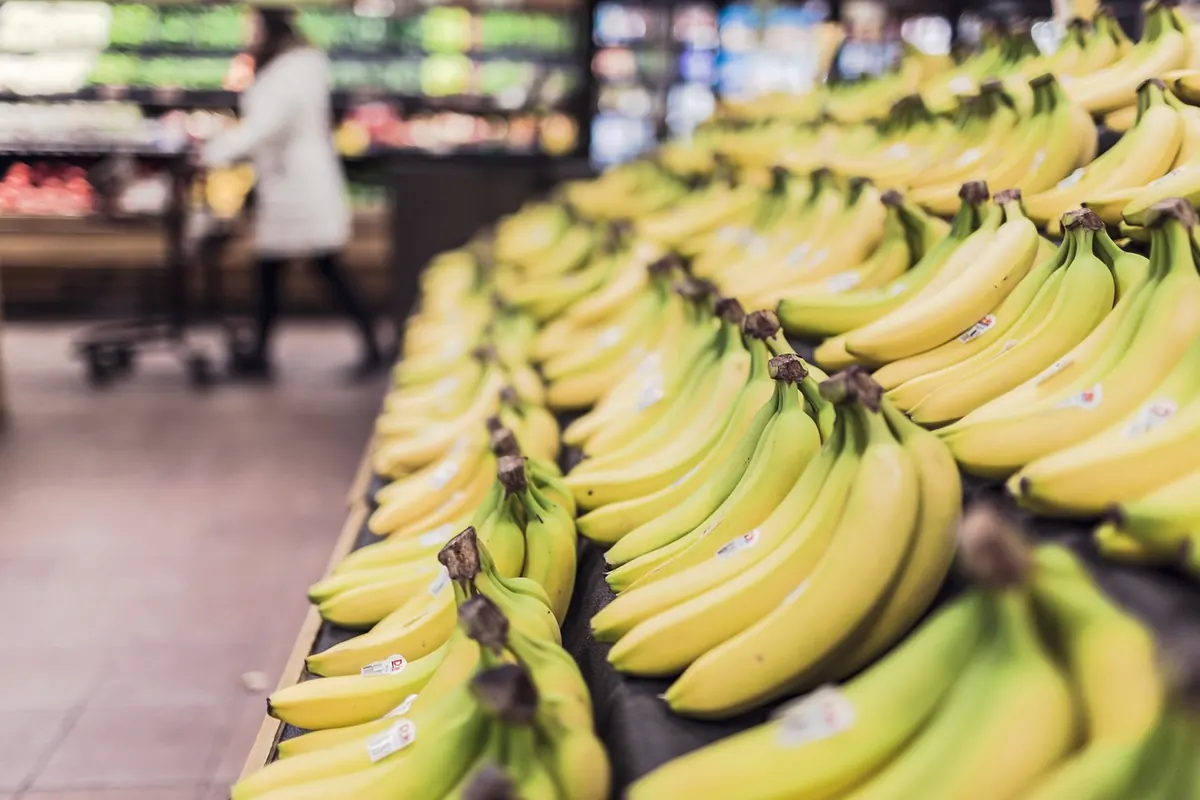
Two things surprise people. First, you cannot smell it. Ethylene is odourless at the concentrations found in a kitchen, so the ripe peach perfuming your fruit bowl is releasing aroma compounds alongside the ethylene, not the ethylene itself. Second, it is not a synthetic additive or a chemical shortcut. It is the same molecule your fruit produces on its own. Commercially, bananas and tomatoes are often ripened in controlled rooms using low levels of ethylene gas, which is why a supermarket banana can be green on Monday and yellow by Thursday.
The useful part for your kitchen is that ethylene travels. Put one ripe apple in a bag with a hard avocado and that avocado will soften noticeably faster than its neighbour left out on the counter.
Ethylene doesn't ripen fruit by force. It tells the fruit to ripen itself.
Why fruit ripens at all
A fruit exists to move seeds away from the parent plant, and it needs an animal to do the moving. Unripe fruit is deliberately unappealing: hard, sour, sometimes mouth-drying and astringent. Those qualities protect immature seeds from being eaten too early. When the seeds are ready, the plant flips a switch and the fruit becomes the opposite of everything it was.
Ethylene triggers that switch, and every change it sets off is aimed at getting something to take a bite: brighter colour, more sugar, stronger scent, softer flesh. We are the something. Our tastes and the plant's interests happen to line up almost perfectly, which is why a ripe fig or a warm apricot is one of the better things about summer.
The four changes you can taste and see
Ripening is not one process but several running at once, and each one is fairly easy to spot.
- Starch turns into sugar. A green banana is starchy and dull. A speckled one is sweet because enzymes have been converting that starch into simple sugars. The same happens in apples, mangoes and pears.
- Pectin breaks down. Pectin is the glue holding cell walls together. As it is dismantled, fruit moves from crisp or rock-hard to yielding and juicy — the difference between a pear that crunches and one that drips.
- Acids drop away. Sharp malic and citric acids are gradually used up, which is why a ripe plum tastes rounder and softer than a firm one, even before the sugar climbs much.
- Colour and aroma arrive. Chlorophyll breaks down, revealing the carotenoids and anthocyanins underneath — the yellows, oranges, reds and purples. Meanwhile the fruit builds volatile compounds, hundreds of them in a ripe strawberry, and those volatiles are most of what we call flavour.
Water loss plays a part too. A little softening and concentration of sugars helps; too much and you get shrivelled fruit with a tired, woolly texture.
Climacteric and non-climacteric: the one distinction worth learning
This single divide decides whether your fruit bowl can do anything at all.
Climacteric fruit
These continue ripening after picking. They produce a burst of ethylene and a matching burst of respiration, which is why a hard pear from the shop can be transformed on your counter. The group includes apples, bananas, pears, avocados, tomatoes, mangoes, peaches, nectarines, plums, apricots, kiwis, papayas and cantaloupe melons.
Non-climacteric fruit
These ripen only while attached to the plant. Once picked, they soften, lose moisture and eventually spoil, but they will not become sweeter. Citrus, grapes, strawberries, raspberries, blueberries, cherries, pineapple and watermelon all belong here, as do cucumbers and peppers. If a punnet of strawberries is sharp, no amount of patience will rescue it — a pinch of sugar will.
Respiration: the engine underneath
Fruit is alive after harvest. It keeps respiring: taking in oxygen, burning stored sugars, and releasing carbon dioxide, water vapour and heat. That is why a full fruit bowl feels warm, why the inside of a plastic bag fogs up, and why produce lasts longer in the cold.
Ethylene and respiration push each other along. Warm fruit respires faster, makes more ethylene, and ripens faster still. Cold slows both. That is the entire logic of a fridge, and also the reason a refrigerated unripe tomato never develops proper flavour — at around 4°C the ripening machinery largely stops, and some of the aroma compounds are never made at all. Cool fruit down once it is ready to eat, not before.
Ripening at home: what actually works
- Use paper, not plastic. A paper bag traps enough ethylene to concentrate it while letting excess moisture escape. A sealed plastic bag does the opposite: trapped water, soft patches, mould.
- Add a ripe banana or apple. Either makes an effective booster in a bag of hard avocados, kiwis or peaches. Remove it once things are softening.
- Check daily. Once ethylene has done its work, fruit moves quickly. A firm avocado can go from hard to over-ripe inside a day.
- Keep the producers away from sensitive greens. Apples, bananas and ripe pears will yellow leafy greens, soften cucumbers and turn broccoli limp. Give them their own bowl, or a shelf apart.
- Warmth helps; sunshine doesn't. A room-temperature spot speeds ripening. A sunny windowsill just cooks the fruit on one side.
- Bin anything mouldy. Mouldy fruit releases ethylene and spreads spores to its neighbours, so one fuzzy peach can take down the whole bowl.
Putting it to work this week
Pick one stubborn item — a hard avocado, a couple of firm pears, green bananas — and put it in a paper bag with a ripe banana. Fold the top loosely and check each morning. Move the bananas to a separate bowl if you keep leafy greens nearby, and shift anything ripe into the fridge to hold it there.
That is the whole trick. Ethylene is a signal you can concentrate, dilute or slow down, and once you know which of your fruit responds to it, you will lose far fewer avocados to impatience.
Photo: Daria-Yakovleva / Pixabay